A church in Florida is appealing a court order barring it from holding in-person worship services inside a property purchased by the church.
Pastor Roderick Palmer of Coastal Family Church, in 2025, purchased a property inside a strip mall to house the church, however, the association that manages the tenants says it cannot be used for worship services or large gatherings under its rules. The church is located next to a Dollar Tree in a mall known as “Flagler Square.”
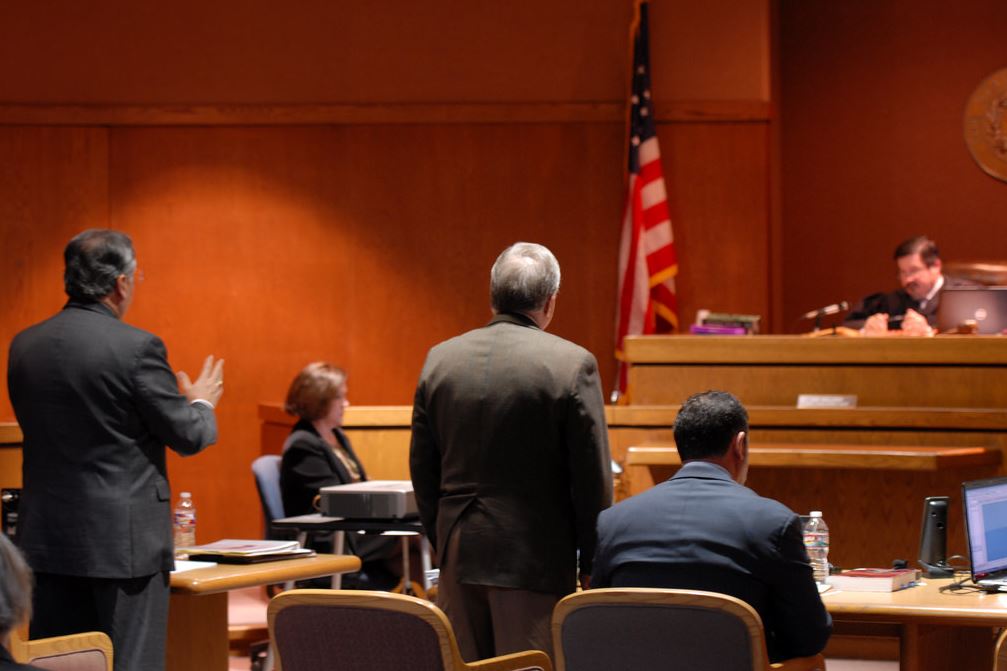
The association filed suit, and last week, Florida Judge Sandra Upchurch ruled in favor of the shopping center’s property association, barring the church from holding in-person worship services at the site. Upchurch ruled that public assemblies were prohibited under the shopping center’s property covenants.
Mexican Pastor Jailed, & Expelled From Hometown For Refusing To Participate In Catholic Ritual
The church is appealing.
“Florida law is clear that Pastor Roderick Palmer and Coastal Family Church have the right to hold church services on church property and that restrictive covenants cannot ban religious assembly,” said Liberty Counsel founder and chairman Mat Staver.
Flagler Square “cannot target Pastor Palmer or his church while ignoring other tenants’ non-religious gatherings,” Staver said.
“This meritless lawsuit must be dismissed,” he added.
Upchurch, in her decision, ruled that when Palmer purchased the property, “there was a restrictive covenant in place” which declares that “operating a banquet hall, auditorium or other place of public assembly is strictly prohibited.”
Americans’ Trust In Pastors, Other Professions Reach Record Low, Poll Shows
But Liberty Counsel said the church’s rights are protected under both federal and state law. The Florida Religious Freedom Restoration Act “prohibits government from substantially burdening religious exercise absent a compelling government interest,” Liberty Counsel said.
“No pastor, church, or parishioner in America should be forced to choose between worship and contempt,” Liberty Counsel said. “Yet the order imposes an extraordinary burden – shutting the doors of Coastal Family Church and forcing the pastor to bar his congregants from accessing their own church to worship, receive communion, and fellowship together during the pendency of this civil action.”
Evangelist Bryce Crawford Shares The Supernatural Encounter That Saved His Life
Last modified: February 1, 2026